Black Willow is a medium to large, suckering and usually multi-stemmed tree native to soggy areas of the entire eastern half of North America. It is the largest Willow species on this continent, with an exceptionally fast growth rate. 30-60' in height is typical but it is able to grow much larger in ideal conditions without disturbance. It grows in wet locations, and its fibrous roots will go searching for water as far as three times the tree’s dripline. This makes it a bad choice for residential plantings or near septic systems, where it has been known to clog up pipes. It is an excellent choice for erosion control along sunny streambanks, ponds, or other water features and for wetland restorations. They have a soft texture with billowing movement, adding interest to the landscape. In favorably wet areas, the windblown seeds and broken branches can turn into colonies.
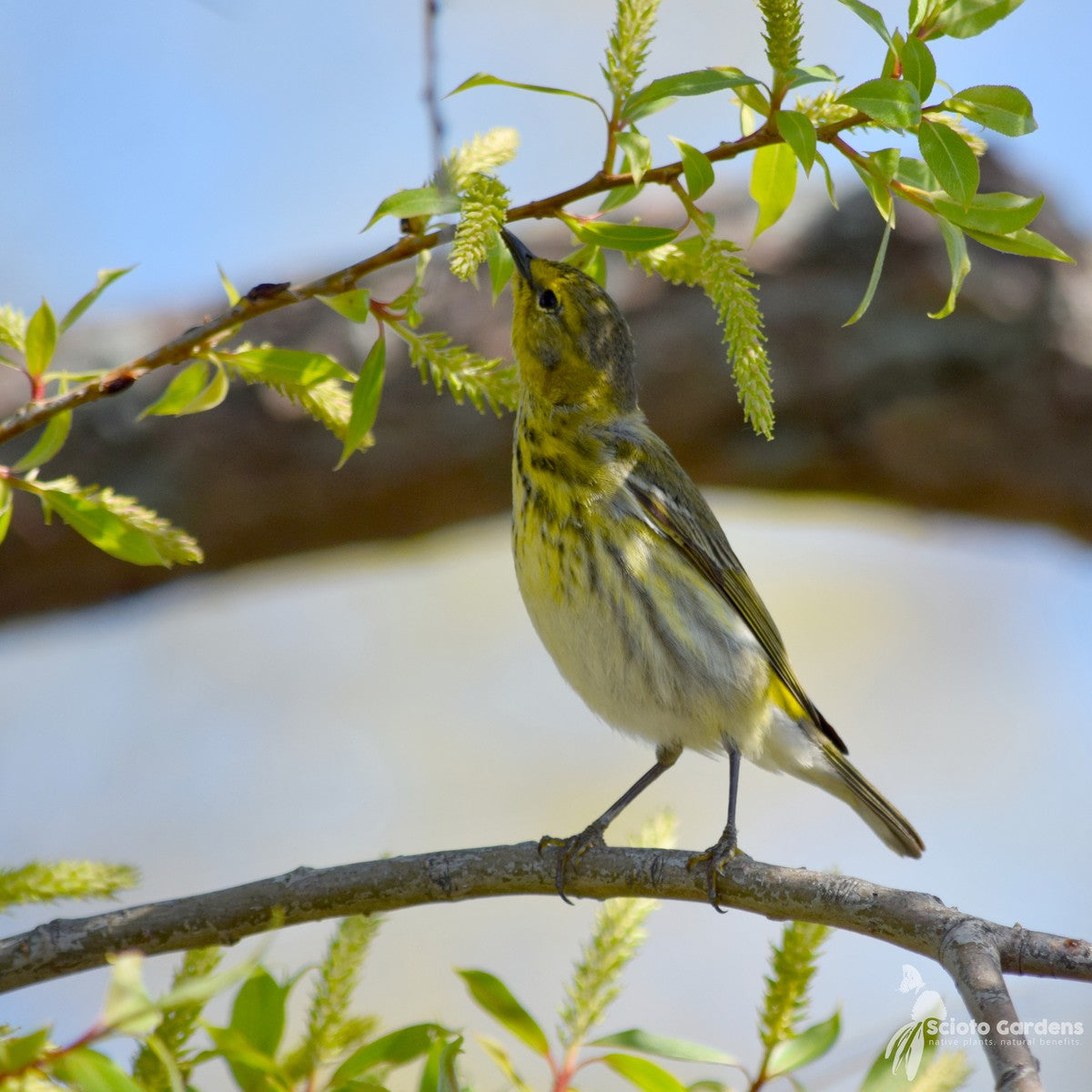
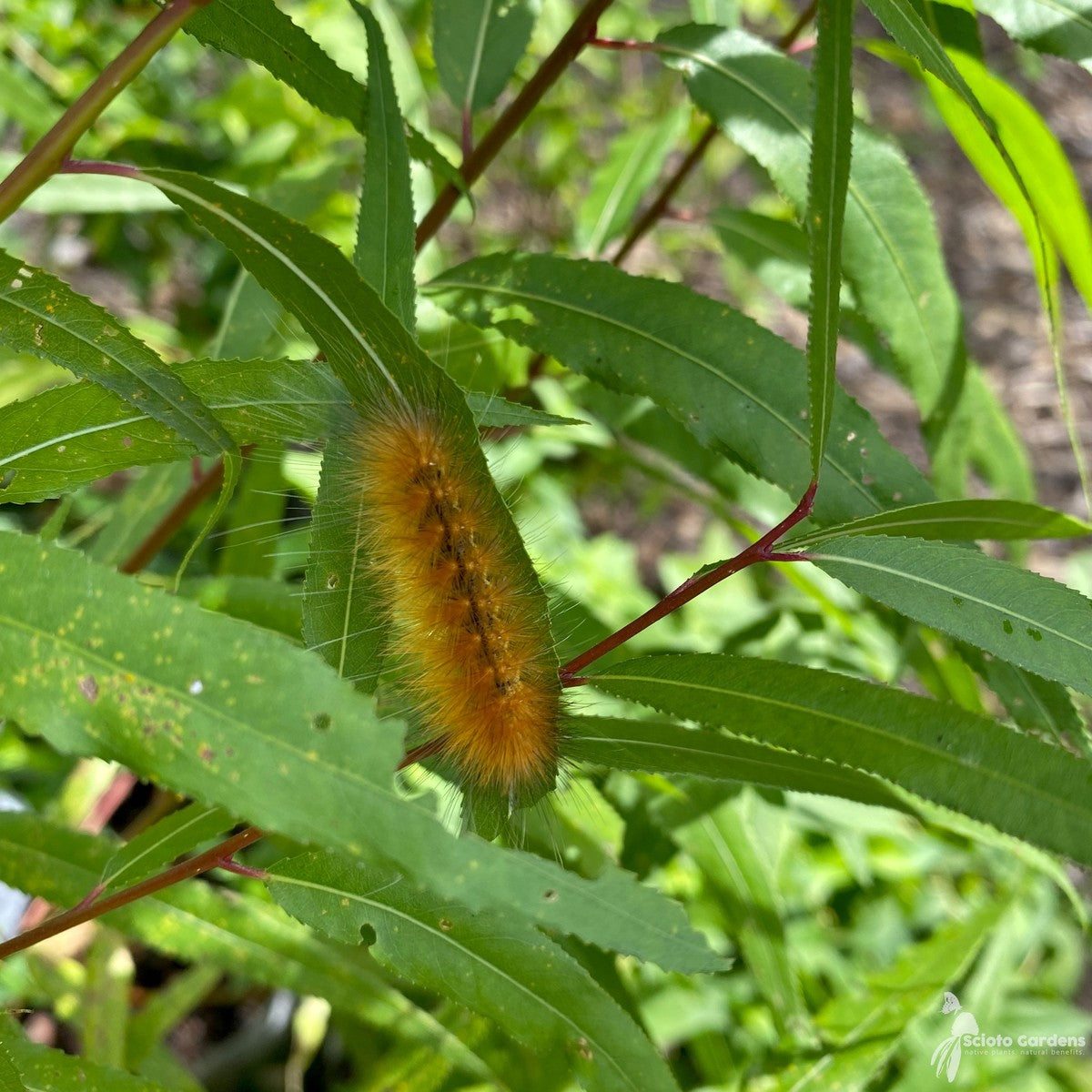
Black Willows have a high value to wildlife. They are host to at least 289 species of Lepidoptera and 14 species of specialist bees. There are separate male and female trees (dioecious) but both are important sources of pollen and nectar in the early spring. The leafy canopy provides cover and nesting sites for many species of bird. Turtles eat the fallen leaves and catkins, while some mammals browse the prolific new growth.
Sources:
Midwestern Native Shrubs and Trees by Charlotte Adelman & Bernard L. Schwartz
Eastern/Central Medicinal Plants and Herbs by Steven Foster and James A. Duke
Missouri Botanical Garden
Illinois Wildflowers
ODNR


Limited Time Offer:
0
days
0
hours
0
mins
0
secs
Salix nigra (Black Willow) - 3 gal
Black Willow

Plant Care & Installation Quick-Guide
Proper acclimation and installation are key to your plant's success. Please cross-reference these tips with your plant's specific ID tags:
·
Pre-Planting: Store plants in a light-appropriate area on soil or grass (avoid hot concrete or asphalt) and water daily until the soil is saturated and the pot feels heavy. If temperatures drop below 30°F, move pots to a garage or cover them to prevent root freeze.
·
Installation: Dig a hole matching the depth of the pot, remove the fabric container, and ensure the plant’s crown or root flare is level with the ground. Fill gaps with soil, water heavily, and apply 2 inches of mulch—keeping it clear of the stem.
·
Ongoing Care: Check moisture daily by feeling 1–2 inches into the soil; water deeply at the base if the soil feels dry or warm. Newly installed plants require frequent watering (up to 3–4 times weekly in heat) until fully established, which can take a few months for perennials and up to two years for trees.