
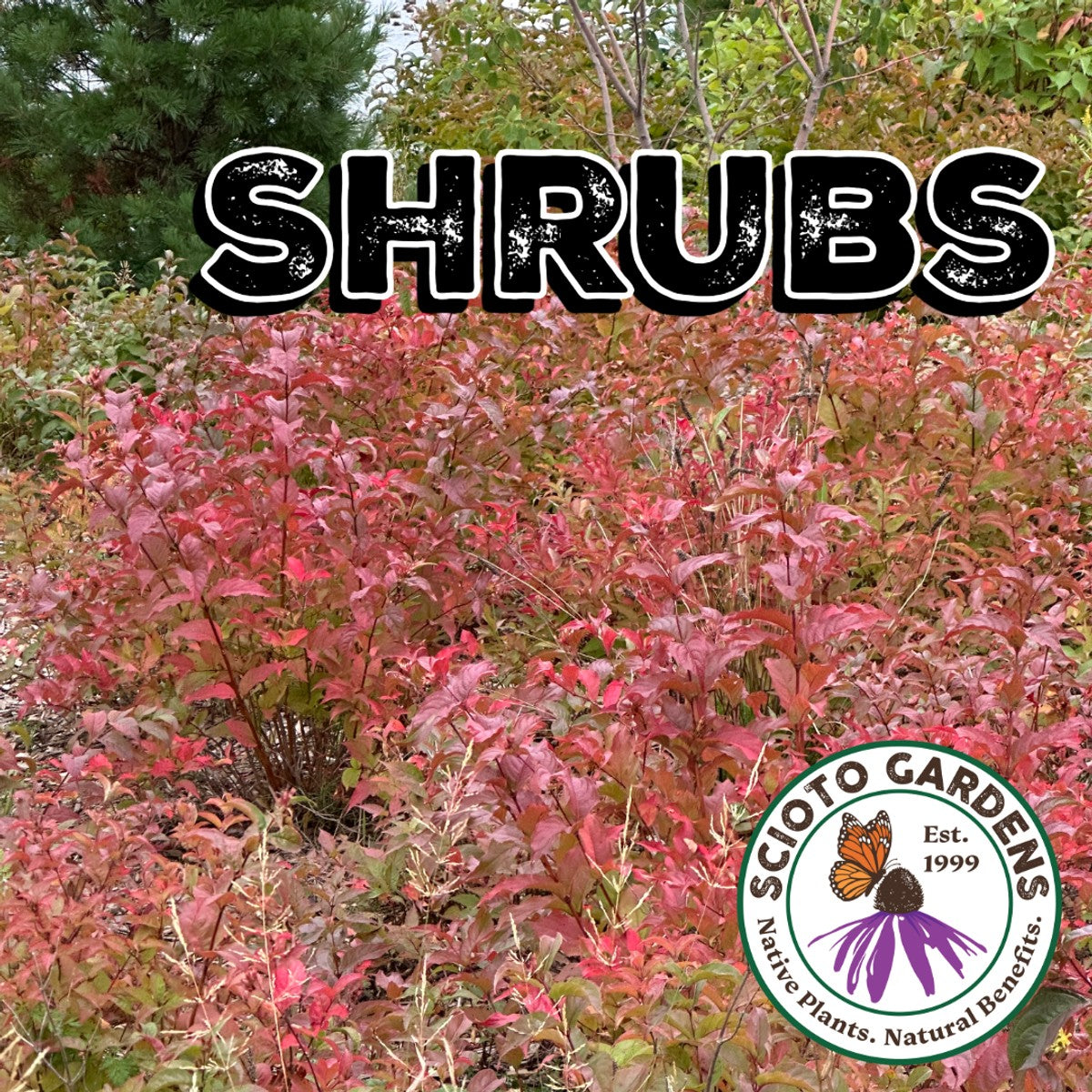
Swamp Rose is a wild, native rose of wetlands, marshes, and boggy areas of eastern North America. It is typically found growing alongside wetland grasses, sedges and other water-loving shrubs. The tall, arching stems fountain out from the base of the plant to form an upright, ascending, vegetative colony or thicket that spreads very slowly. If this rose is given consistently damp soil with plenty of sun and room to spread, in time it will form a large, dense, rounded shrub. It requires moist soil and prefers organically rich, fertile, acidic conditions. Full sun exposure and good air circulation are necessary to avoid the development of powdery mildew and other fungal diseases.
Swamp Rose is equipped with pairs of back-curving infrastipular (at the base of the petiole) and petiolar (on the petiole) thorns on long, reddish stems. The single, fragrant flowers are pink with a lovely color contrast between the petals, yellow stamens and the unusual orange-red disk of styles in the center. The blooming period lasts throughout the summer with sporadic blossoming. Pollinated flowers are replaced by small, pea-sized scarlet rose hips that are visually appealing. This deciduous rose has dark green leaves that turn orange to maroon in fall.
Many bee species (especially bumblebees which are the most important pollinators of wild roses) are attracted to the flowers to collect pollen. They also provide nesting materials for native bees and birds. At least 38 species* of birds use the rose hips for winter food, including the American Robin, Northern Cardinal, Eastern Bluebird, Cedar Waxwing, and Brown Thrasher. The thorny rose thicket is an excellent place to call home for small mammals and birds, offering dense cover and protected nesting sites. It is also full of food throughout the spring and summer, hosting around 102 species of Lepidoptera, which feed a multitude of insectivorous birds and nestlings.
Sources:
Native Trees, Shrubs, & Vines by William Cullina
Manual of Woody Landscape
