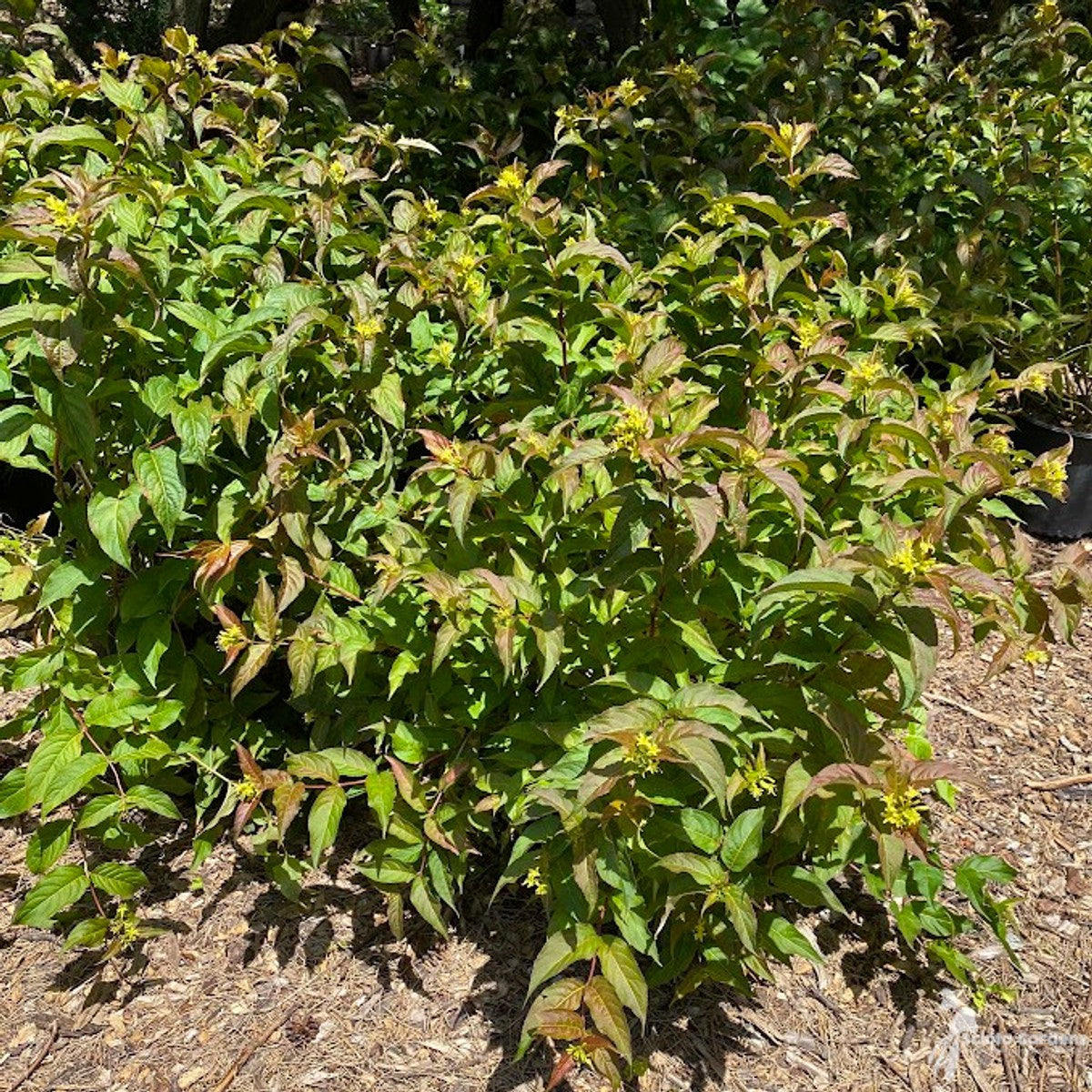
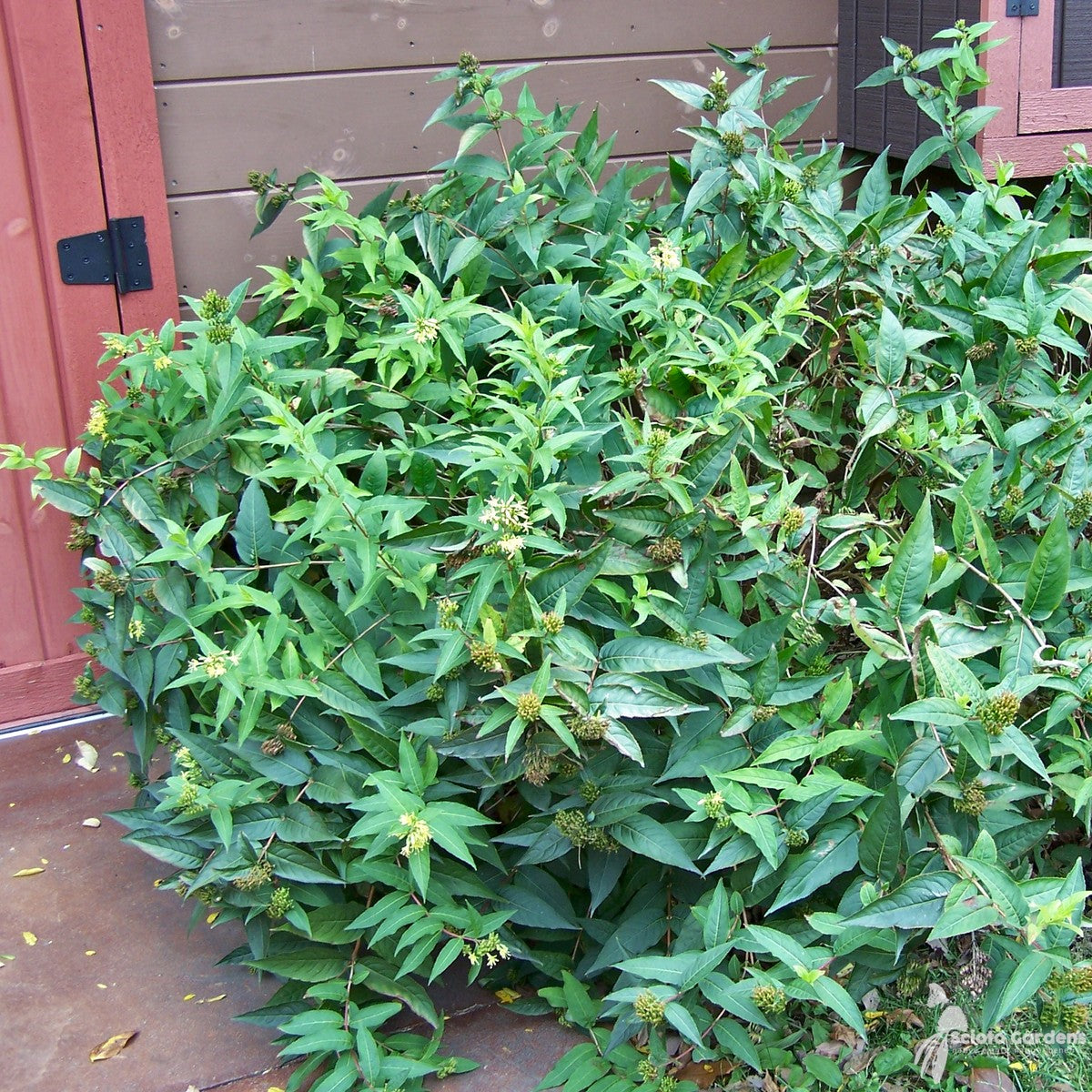
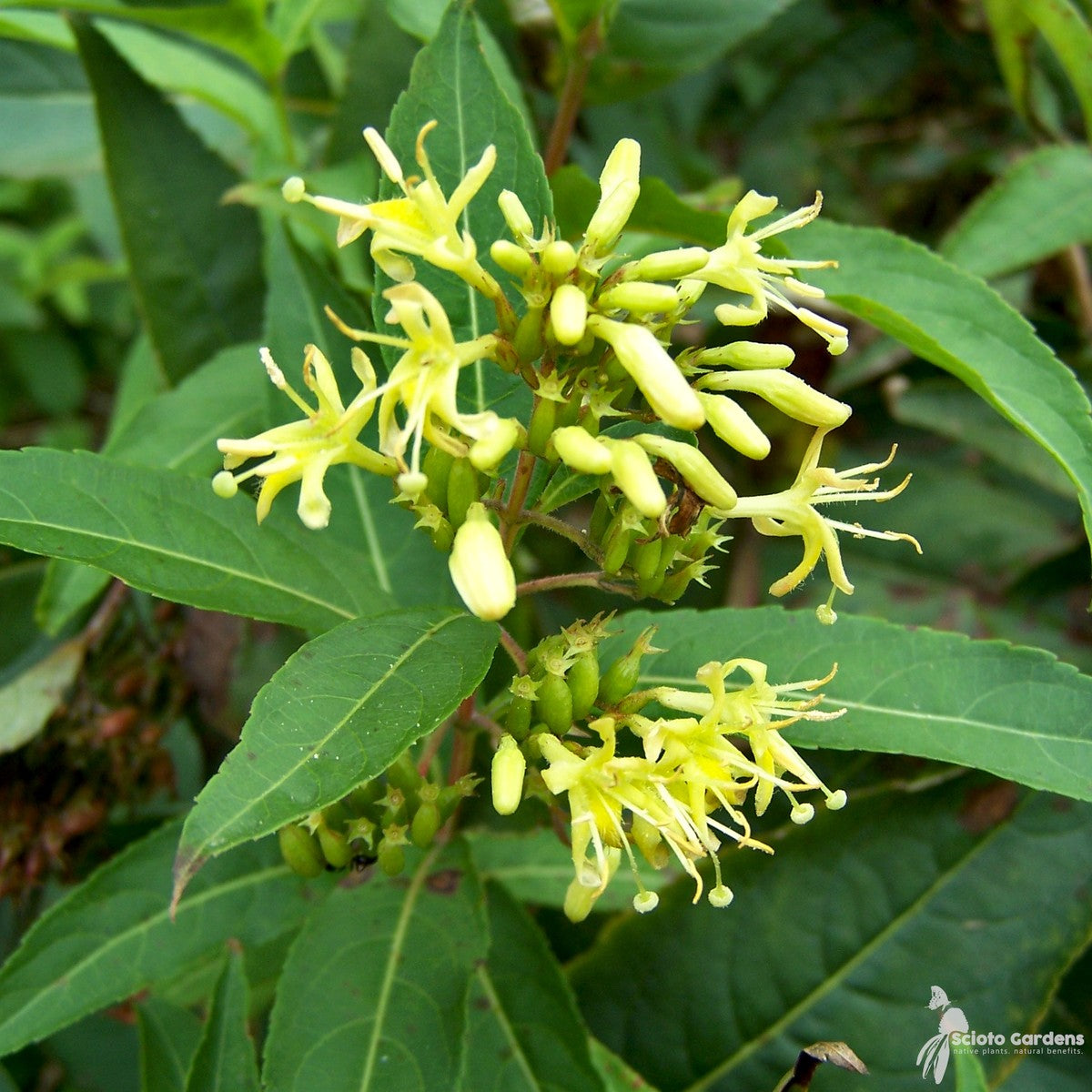
Dwarf Bush Honeysuckle is a native, low-growing, suckering, deciduous shrub with beauty and utility. It only grows to a height of about 3 feet and it has a variable spread based on its growing conditions. In rich, moist soils it tends to spread quickly and can fill a large area, making it an asset when doing battle with the non-native, invasive bush honeysuckles. This plant is not a true honeysuckle, but resembles them in flower as well as the opposite leaf structure. The general growth habit is similar to Forsythia, with its long, caney branches and spreading tendencies.
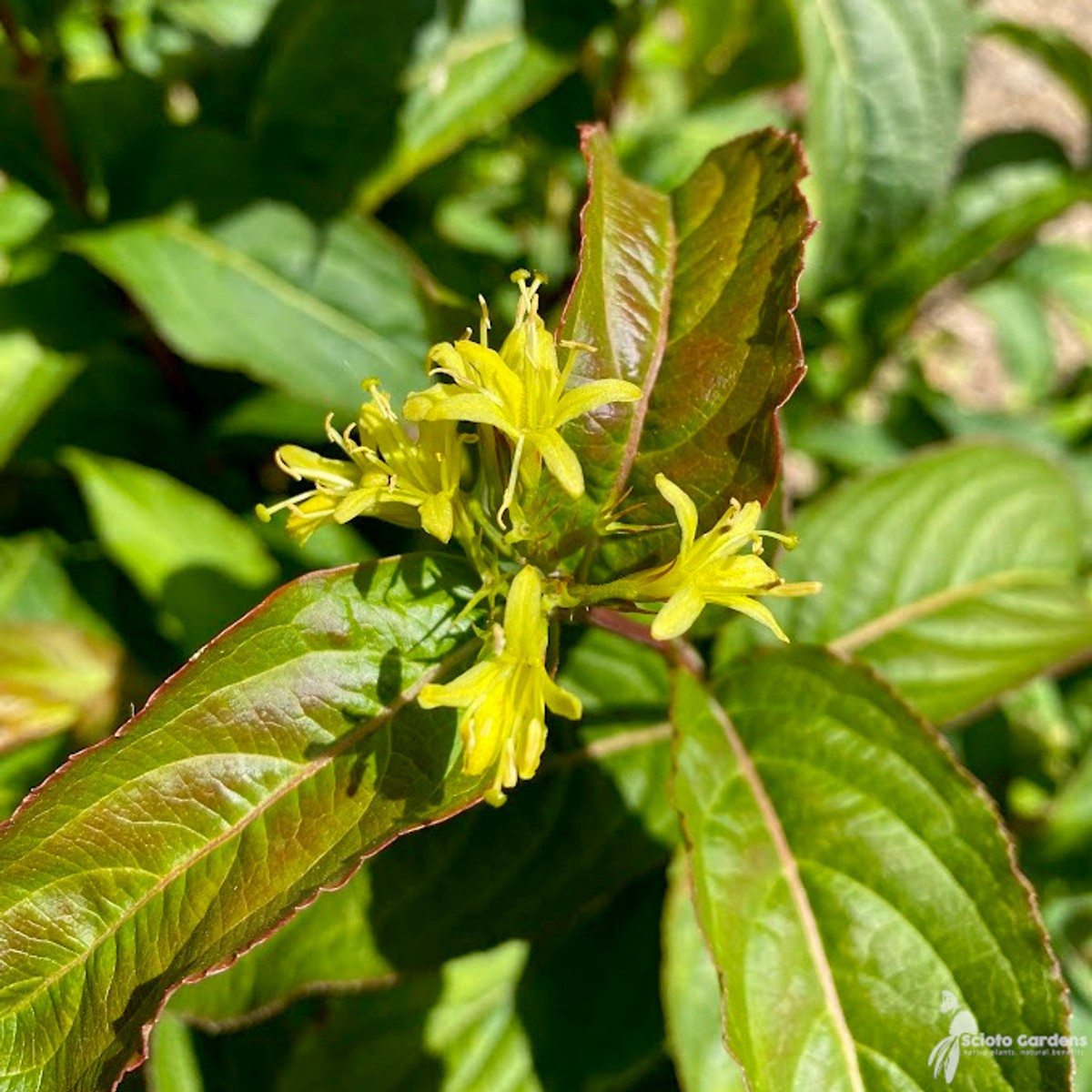
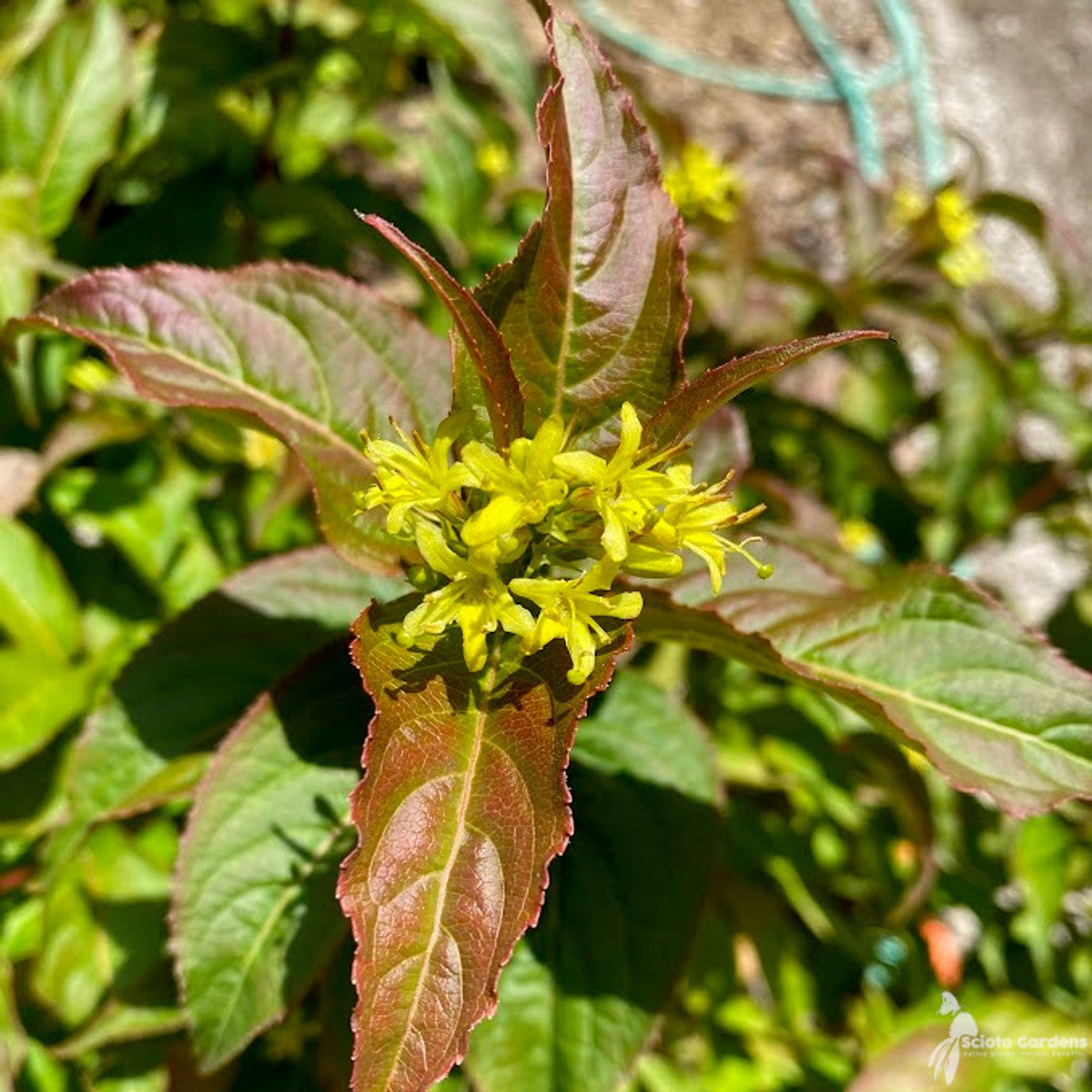
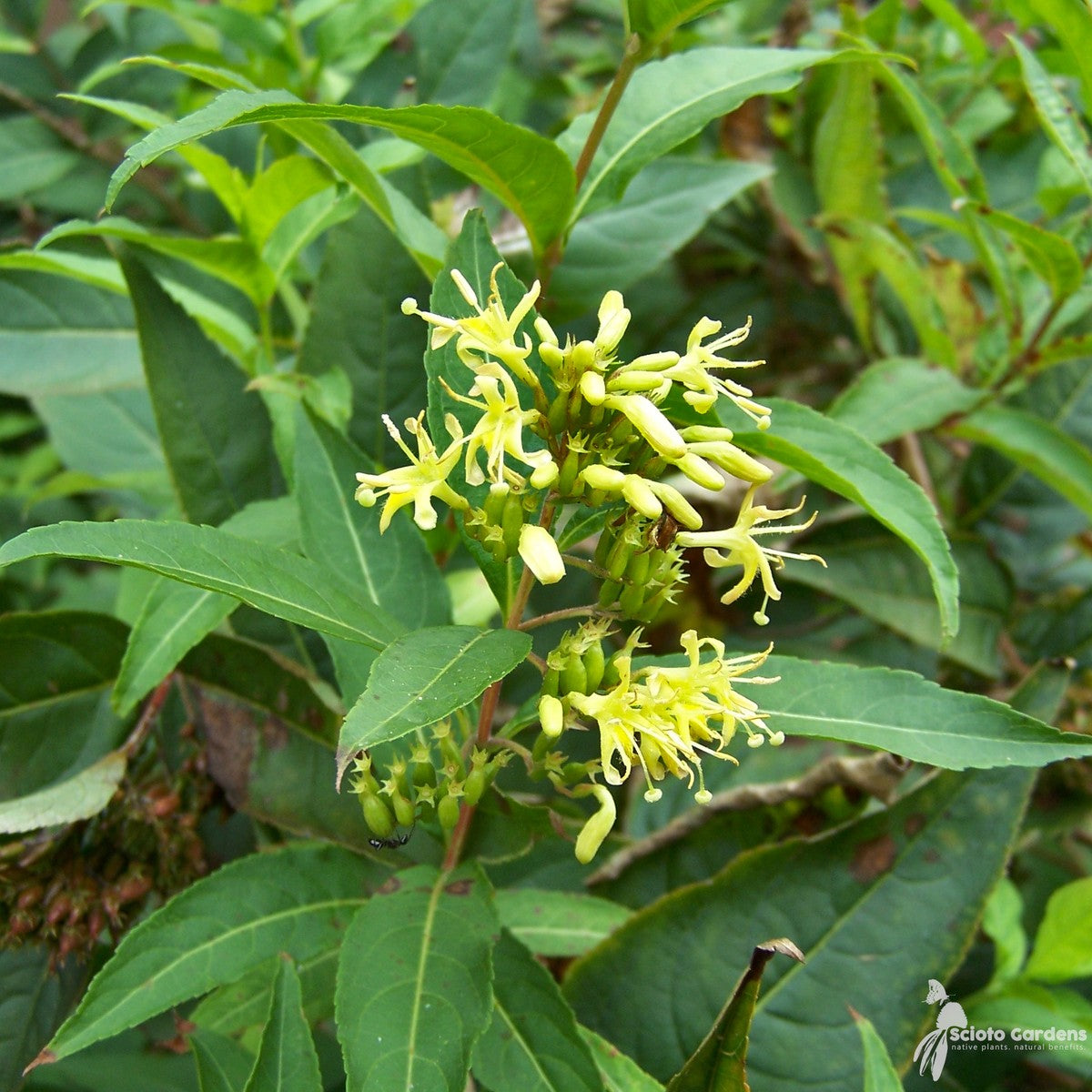
Flowering starts in mid-June with a profusion of bright yellow, fragrant, tubular blooms and continues sporadically throughout the rest of the growing season. They attract a plethora of pollinators, including short and long tongued bees, butterflies, skippers, moths and Ruby-throated Hummingbirds. The plants are self-sterile and require another nearby individual for cross-pollination. The flowers will redden after being pollinated, maturing into dry seed capsules. Many songbirds will feast on the seeds, autumn through winter. Diervilla lonicera is also host to the Laurel Sphinx Moth, the beloved Snowberry Clearwing Moth, and the specialist Diervilla Clearwing Moth which only hosts on this plant!
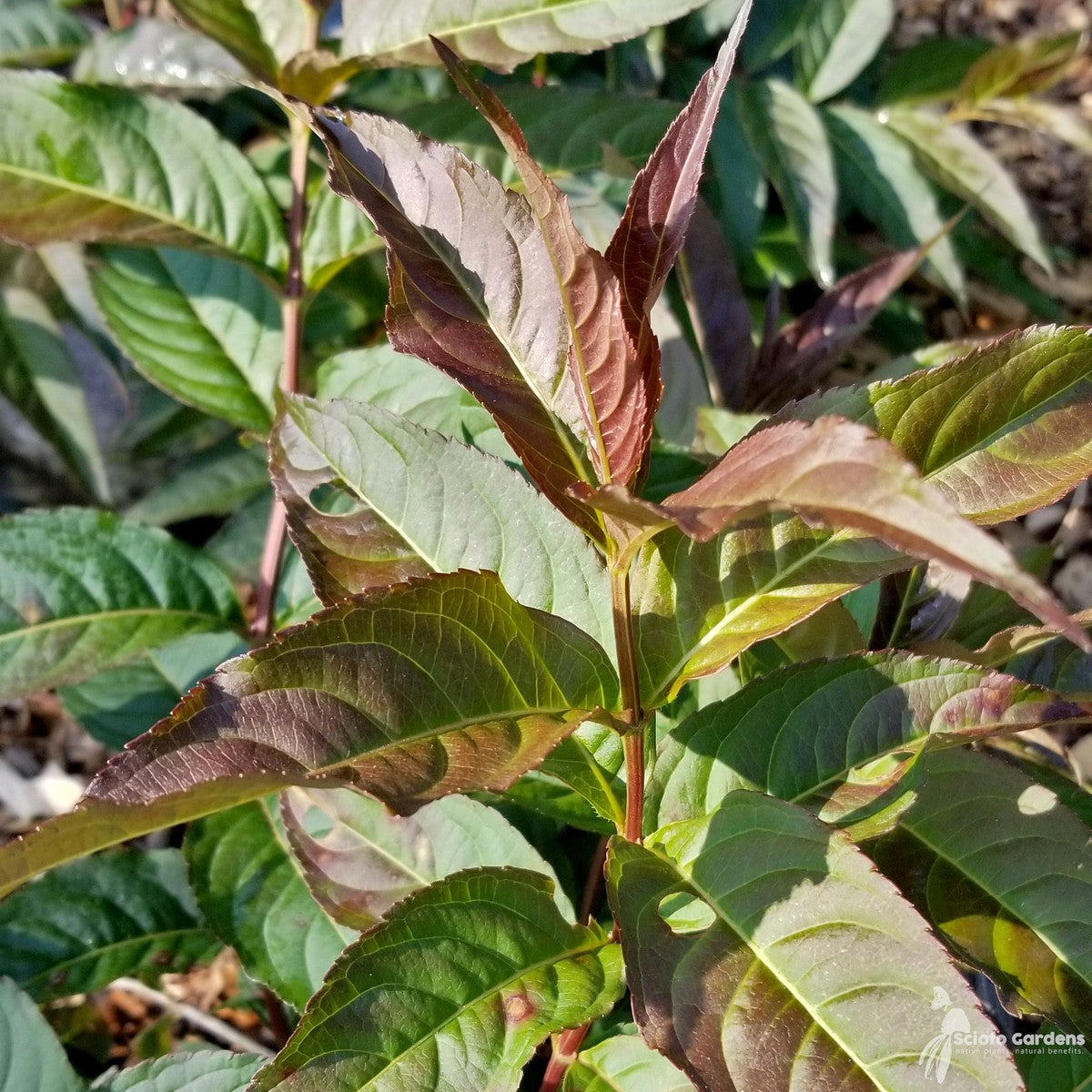
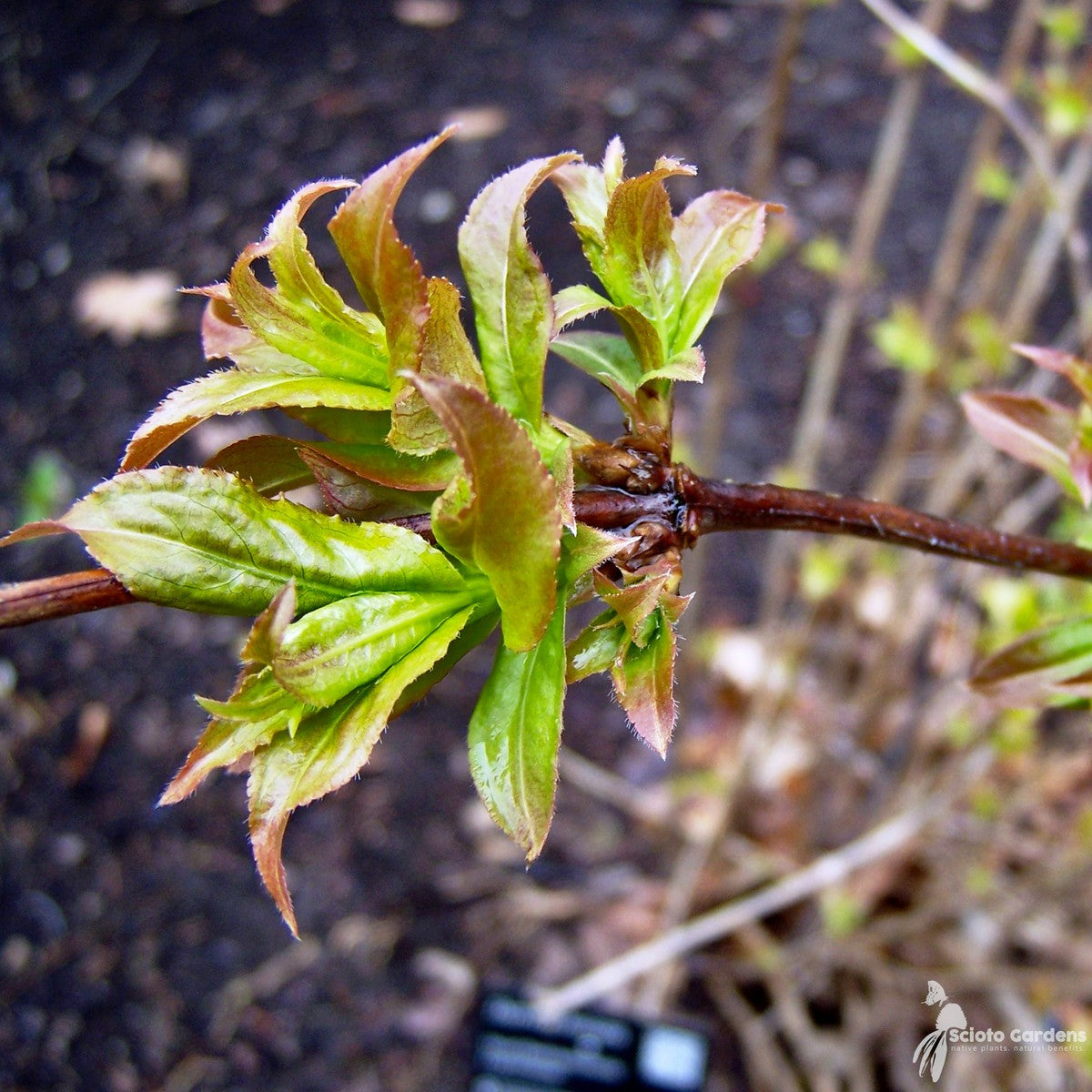
The ability to cover ground quickly and grow in such a wide variety of conditions gives Dwarf Bush Honeysuckle versatility in the landscape. It excels at erosion control on slopes and embankments, in full sun to full shade. It loses most of its ornamental qualities in the shade, but makes a sturdy groundcover. In full or partial sun, the new growth (which is continuous throughout the season) emerges coppery red with a purple cast, while the older leaves are dark green and lustrous. It is an attractive, multi-colored plant that can be left to naturalize in difficult areas, at woodland’s edge, or for massing in large spaces. Plants can be rejuvenated and kept tidy by being cut to the ground every few years.
S


Limited Time Offer:
0
days
0
hours
0
mins
0
secs
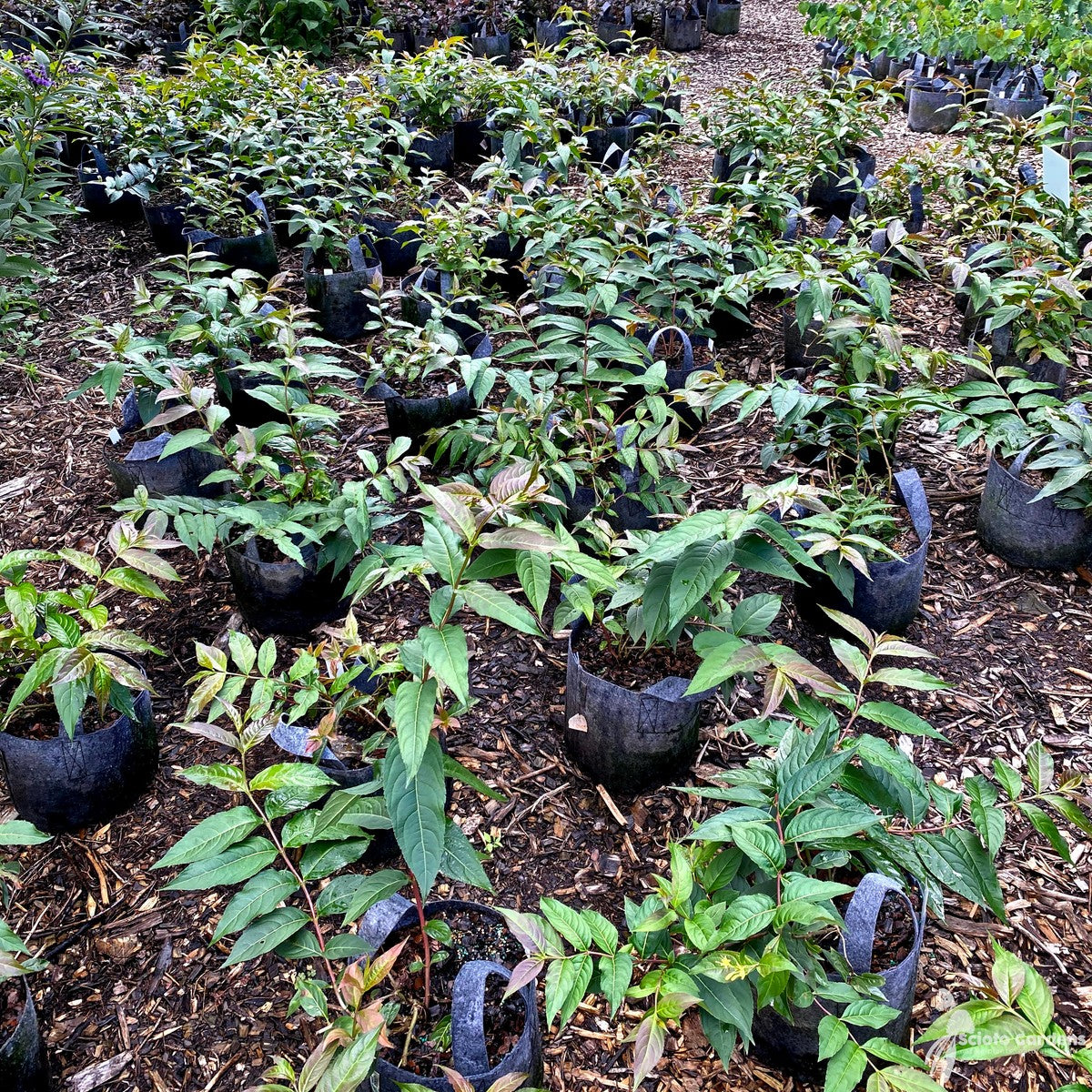
Diervilla lonicera (Native Bush Honeysuckle) - 3 gal
Native Bush Honeysuckle

Plant Care & Installation Quick-Guide
Proper acclimation and installation are key to your plant's success. Please cross-reference these tips with your plant's specific ID tags:
·
Pre-Planting: Store plants in a light-appropriate area on soil or grass (avoid hot concrete or asphalt) and water daily until the soil is saturated and the pot feels heavy. If temperatures drop below 30°F, move pots to a garage or cover them to prevent root freeze.
·
Installation: Dig a hole matching the depth of the pot, remove the fabric container, and ensure the plant’s crown or root flare is level with the ground. Fill gaps with soil, water heavily, and apply 2 inches of mulch—keeping it clear of the stem.
·
Ongoing Care: Check moisture daily by feeling 1–2 inches into the soil; water deeply at the base if the soil feels dry or warm. Newly installed plants require frequent watering (up to 3–4 times weekly in heat) until fully established, which can take a few months for perennials and up to two years for trees.