
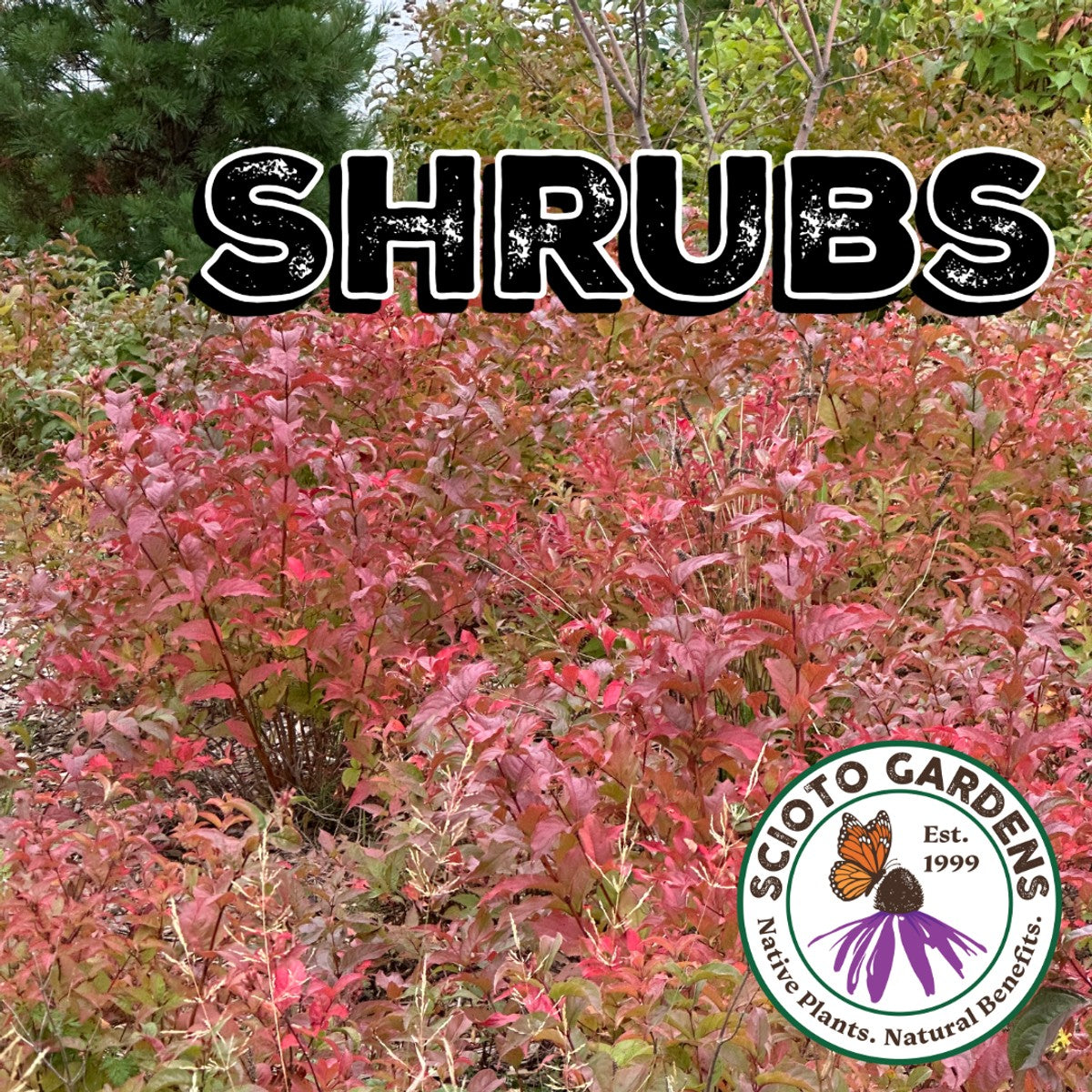
Silky Dogwood is a medium to large, multi-stemmed, suckering, deciduous shrub native to the eastern half of the U.S. It is typically found in wet, marshy areas, along streams and floodplains, but it is also able to handle average moisture in cultivation. This is an exuberant and wild-looking shrub with the ability to thrive in wet areas and to help with erosion control. These features, along with its extreme value to birds, make it a worthwhile plant for any landscape that can accommodate it. The thicketing tendency will be most vigorous in wet or moist soils in full sun, but in a typical garden soil with partial shade, this shrub is more restrained and easily managed. It is not the most ornamental of the Dogwoods and fits into naturalized areas best, rather than in prominent, manicured gardens.
The mature fruits (drupes) in August are its most ornamental feature, with their unique cobalt to porcelain blue color. However, they only last as long as it takes for the birds to swoop in and eat every last one! It provides an excellent high-fat, high-calorie, late summer food source for frugivorous (fruit-eating) bird species, and is also highly entertaining to watch.
Cornus spp. are hosts to at least 98 species of Lepidoptera. This means that Dogwoods are a fantastic addition to any wildlife-friendly garden! The caterpillars provide a bounty of food for insectivorous birds and nestlings throughout the year, and the ones that don’t get eaten become beautiful and beloved butterflies and moths, such as the majestic Cecropia Moth. The summer-blooming Dogwood flowers attract many pollinators, including 4 specialist bee species: Andrena fragilis, Andrena integra, Andrena persimulata, and Andrena platyparia.
Sources:
Native Trees, Shrubs, & Vines by William Cullina
Manual of Woody Landscape Plants by Michael A. Dirr
Midwestern Native Shrubs and Trees by Charlotte Adelman & Bernard L. Schwartz
Missouri Botanical Garden
Lady Bird Johnson Wildflower Center
The Morton Arboretum
NC
